

The Northwest Resilient Garden - Part 1 Soil


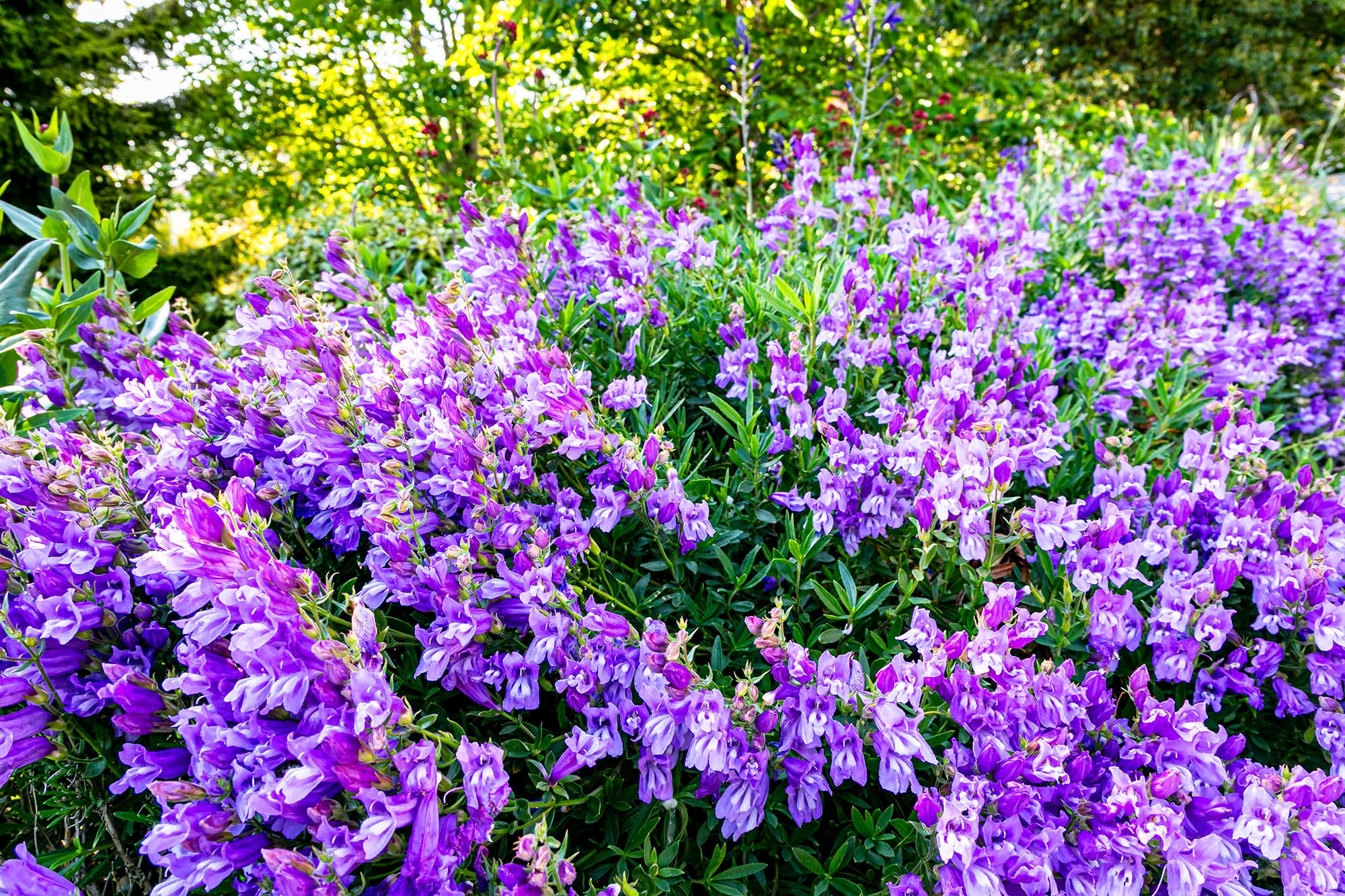
In the Pacific Northwest, where rain, drought, and shifting seasons often test our gardens, resilience begins in the soil. This first post in The Northwest Resilient Garden series explores how to understand, nurture, and rebuild the living ground beneath our feet—creating soils that stay healthy, hold moisture, and support vibrant life year after year.
Healthy Soil
A resilient garden is a living system that can handle change—coping with stress, recovering from setbacks, and continuing to thrive with modest inputs. It’s also a place of beauty and habitat, alive with birds, insects, and healthy plants. The first step in building that kind of garden begins below the surface: with the soil. By shaping your garden’s soil, water, and microclimates thoughtfully, you give your plants the best possible start toward long-term health and resilience.
Knowing and Caring for your Soil
Healthy soil is truly the foundation of every thriving garden. It supports a bustling community of organisms, holds water, cycles nutrients, and helps everything from vegetables to native shrubs grow stronger. When soil health declines, you can see it—plants fade, yields drop, and vitality disappears. The good news is that soil can recover when we understand how to care for it.
Healthy soil not only supports plant life, it also stores carbon and contributes to the health of surrounding ecosystems. By working with soil biology rather than against it, you’re helping both your garden and the planet.
Getting a Feel for Soil Texture
Start by getting to know your soil hands-on. The feel is simple and surprisingly revealing: sand feels gritty, silt feels smooth, and clay feels sticky. Scoop up a moist handful and give it a gentle squeeze. Sandy soil won’t hold together, clay stays in a heavy clump, and good loam forms a ball that breaks apart easily when pressed.
You can also check drainage with a quick percolation test. Fill a hole with water and see how long it takes to drop. If water drains less than half an inch per hour, you may need to open things up with organic matter or a bit of coarse material. Where drainage is decent, simply applying a layer of good, dark compost on top will slowly improve soil structure and feed the underground life that keeps everything humming along.
Testing Before You Amend
It’s tempting to start adding compost or fertilizers right away, but before doing that, it’s worth getting a soil test. A test tells you exactly what your soil already has—and what it truly needs—so you can avoid over-amending or unintentionally upsetting its balance.
You can use a DIY kit or send samples to a county extension or university lab, which often gives localized recommendations. Collect soil from several areas of your garden (6–8 inches deep for beds, 3–4 for lawns), mix the samples in a clean container, and send them in when soil is moist but not soggy.
When your results come back, pay attention to:
- pH level—Most garden plants do best in slightly acidic to neutral soil.
- Nutrient levels—Check nitrogen, phosphorus, potassium, and micronutrients.
- Organic matter— Higher is better for structure, water holding, and microbial life.
- Texture and contaminants—these influence drainage and amendment needs.
Because soil composition can vary even within one yard, testing every couple of years helps you see changes and adapt over time. Those results also guide where drought-tolerant, rain-garden, or woodland plantings will perform best.
Building Fertility and Life
Once you know your soil’s condition, the next step is to nurture it back to full strength. Restoring fertility isn’t just about nutrients—it’s about supporting an entire living system underground. Adding organic materials builds structure, feeds microbes, and helps the soil hold moisture while draining well.
- Compost: Fully decomposed compost is gold—it’s full of life and slow-release nutrients. Avoid fresh material that might carry weed seeds or pathogens.
- Aged manure: Improves fertility and texture but use moderately to prevent nutrient runoff.
- Leaf mold: Great for structure and moisture retention, especially in woodland or shade gardens, though it’s lower in nutrients.
Topping things off with mulch helps preserve all that good work. Wood chips feed the soil slowly and suppress weeds long-term, straw works wonders in vegetable beds (choose clean, seed-free straw), and bark gives a tidy, finished look around ornamentals.
When to Try Mineral mulches
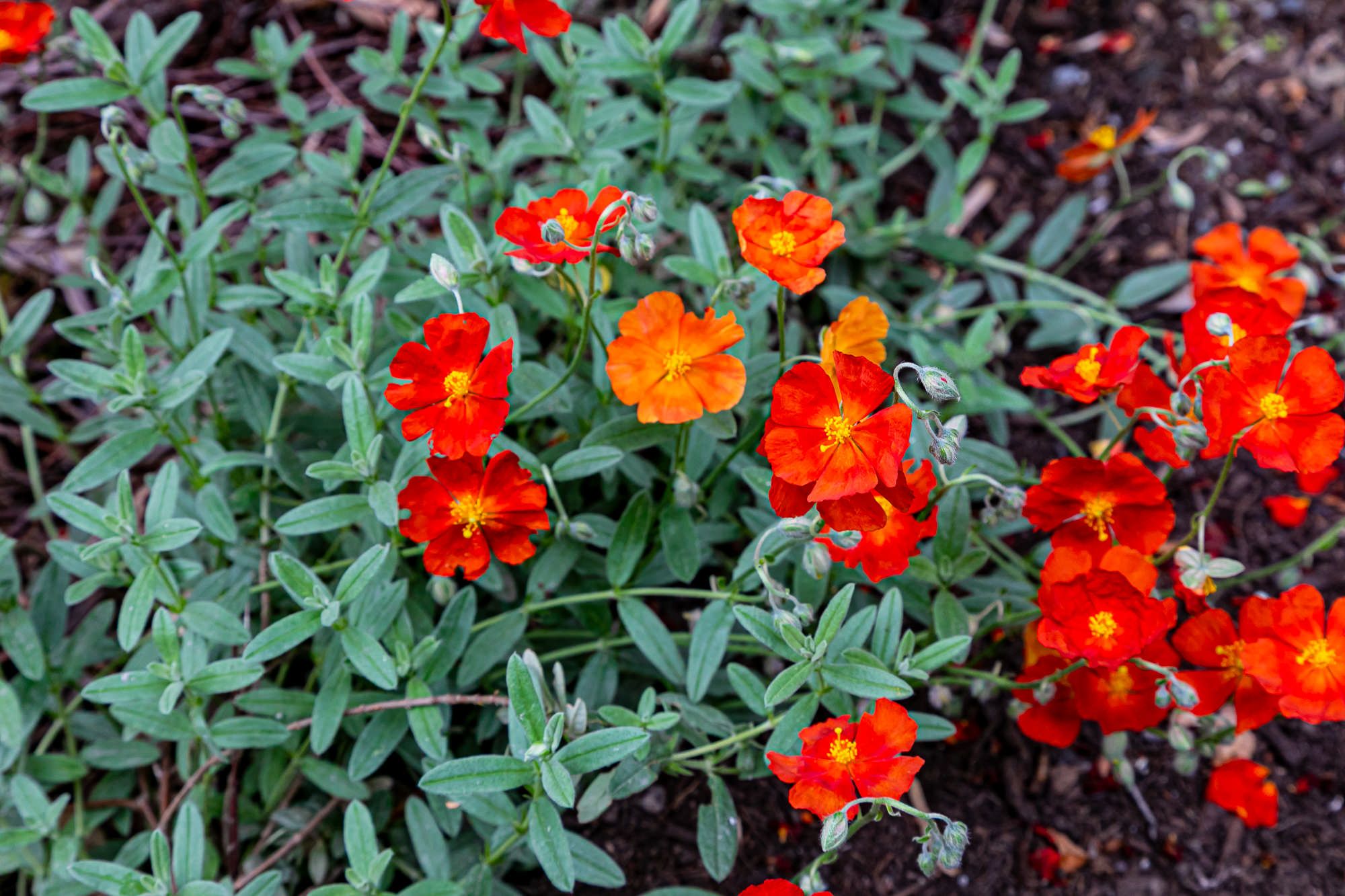
Some plants—think sedums, lavender, oregano, thyme, rockrose, and wild lilac—prefer lean, warm, well-drained soils. For these, mineral mulches such as pea gravel, crushed rock, or lava rock are a better fit. They soak up heat, dry out quickly, and keep roots cozy early in spring. Fine-textured gravel even helps slow evaporation and deter weeds. The key is matching mulch type to your plants’ natural preferences and your site’s conditions.
Keep Watching and Adjusting
Healthy soil isn’t built overnight. It’s an evolving process that depends on observation and care. Notice how easily your soil holds moisture, how vigorously plants grow, and how the soil feels under your hands. Over the seasons, small adjustments—adding compost here, tweaking your mulch there—make a big difference. Retest your soil every couple of years to track progress and refine your approach.
The Living Ground Beneath You
In the end, soil care is really about relationship. With every bit of compost added and every mulch layer renewed, you’re building not only fertile ground but also resilience into your garden’s future. Healthy soil is alive. And from that living foundation, every Northwest garden—large or small—can grow stronger, more sustainable, and better able to weather the changes ahead. 🌿
Categories:
Blog
Tags:
john albers,
soil,
garden for sustainability,
resilient garden,
Vista Gardens





Contact Us









Albers Marcovina Vista Gardens Foundation is a 501(c)(3) nonprofit organization. Contributions are tax-deductible to the extent permitted by law. Federal Tax ID is 37-1546572